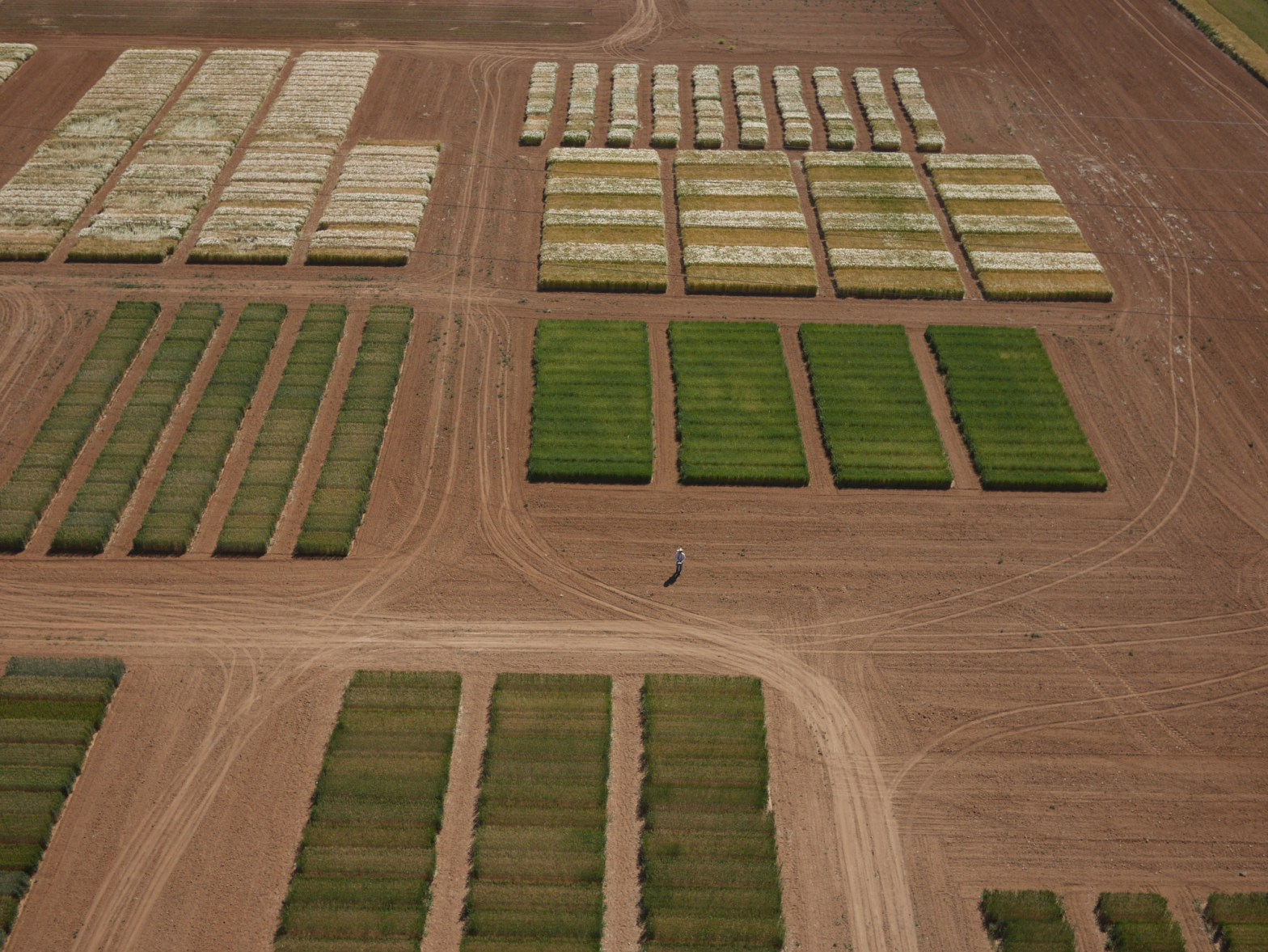
NEW FOR 2026-2027! After two successful years of Environmental Remote Sensing BIP at the University of Barcelona we have decided to join forces and offer a slight change to support Dr. Gordana Kaplan in partnership launching the Forest Remote Sensing at the Eskisehir Technical University Institute of Earth and Space Sciences.
The previous program at the University of Barcelona will return in alternate years, Environmental Remote Sensing in 2027-2028.
2026-2027 Erasmus+ Blended Intensive Program at the Eskisehir Technical University Institute of Earth and Space Sciences in Forest Remote Sensing.
If you are interested in receiving more information about the ERASMUS ERS BIP for the 2026-2027 academic year, please fill out THIS FORM.
Apply for your Erasmus+ mobility grant and join us at the Eskisehir Technical University Institute of Earth and Space Sciences in Forest Remote Sensing next summer!
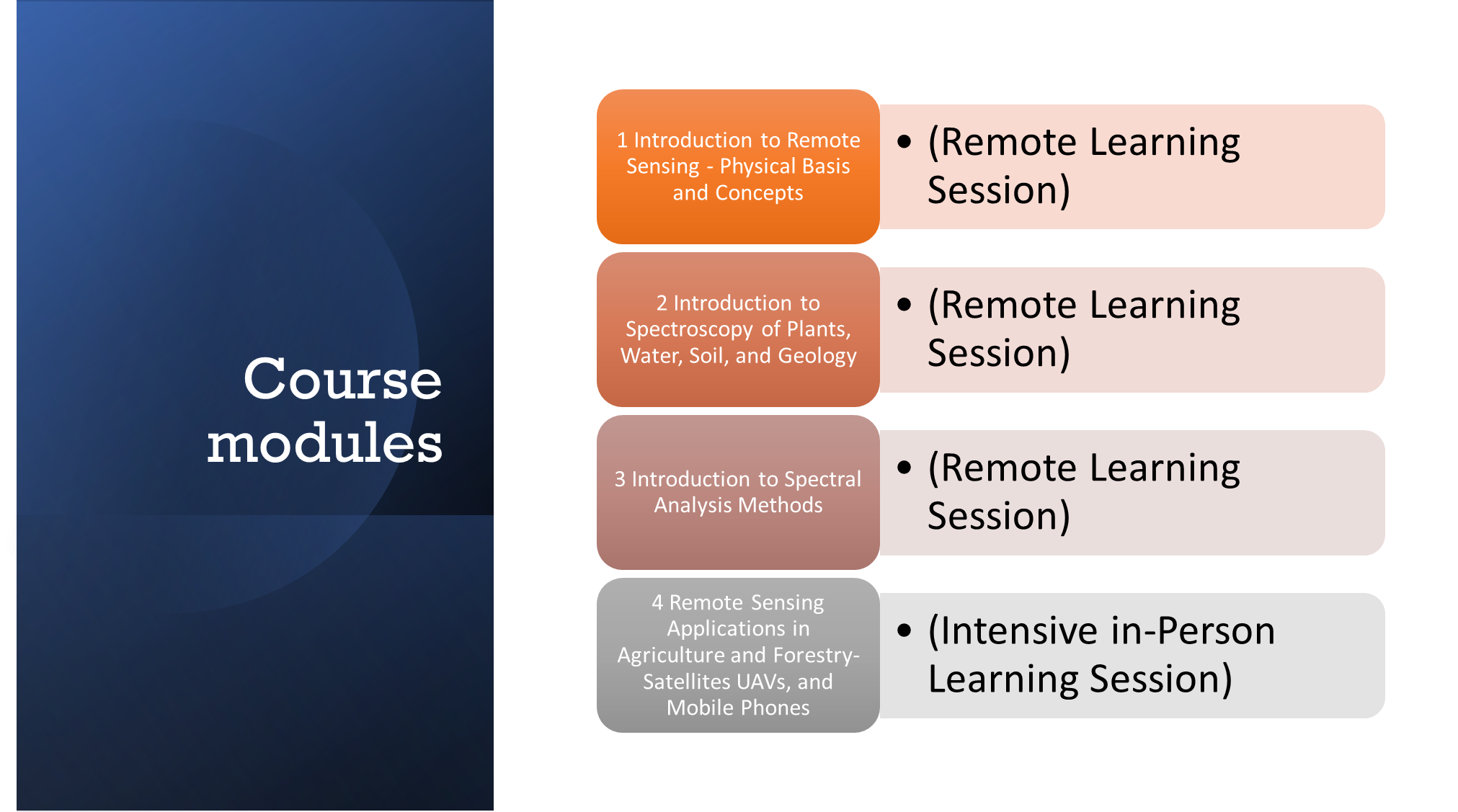
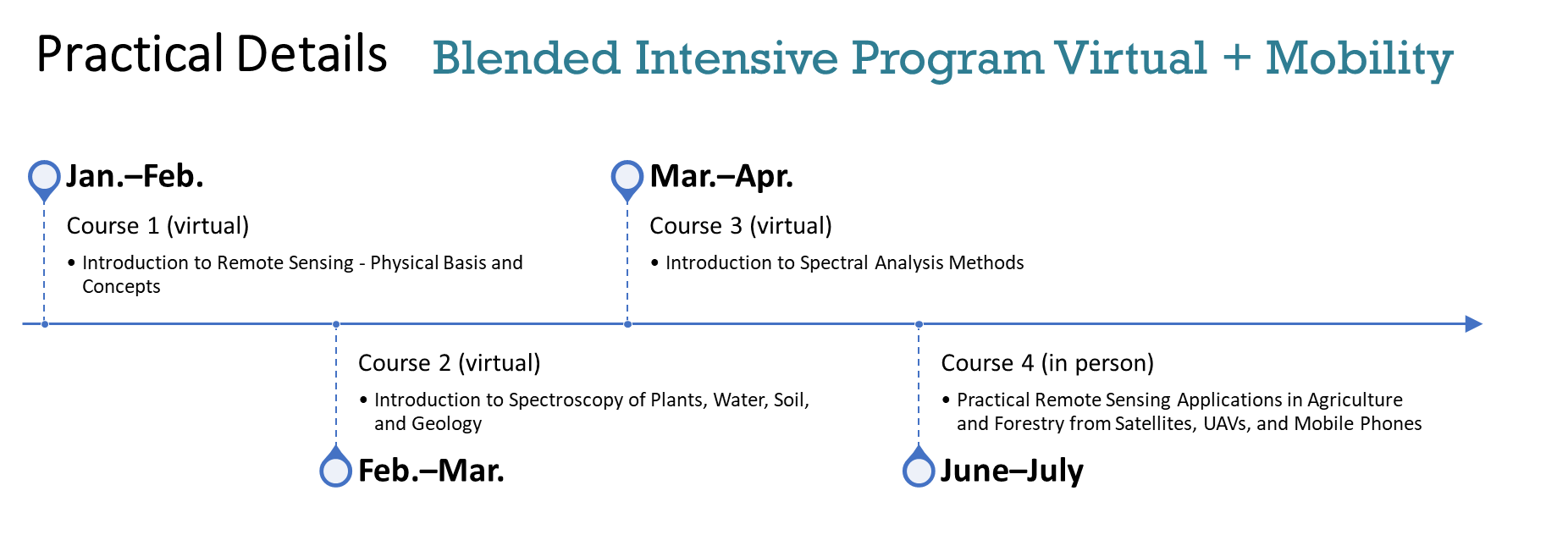
This Erasmus BIP will offer 3 ECTS through the Erasmus mobility program and the University of Barcelona Faculty of Biology Environmental Sciences degree track for UB students, or at the Eskisehir Technical University Institute of Earth and Space Sciences in Forest Remote Sensing at the MS level. The course plan started in the winter semester with virtual/online classes from February (Introductory Lectures) through April (Topics Seminars) and then return in the second week of July with a one-week intensive program at the Eskisehir Technical University Institute of Earth and Space Sciences in Forest Remote Sensing, where we will put everything that we learned in the classroom to use in the lab and the field!
STAY TUNED FOR MORE DETAILS ON THE NEW ERASMUS BIP Forest Remote Sensing Informative Session with Prof. Shawn Kefauver and Prof. Gordana Kaplan to be held during the first week of the second semester in 2027 (exact dates to be decided), where we will present the course plan and answer any inquiries towards participation.
The virtual classes are tentatively planned for Wednesdays from 15:00 to 16:30h, March to April 29, considering local holidays of the coordinator.
The in-person mobility is tentatively planned for July 6-10 for 2027 and will be held at the Eskisehir Technical University Institute of Earth and Space Sciences in Forest Remote Sensing in Turkiye.
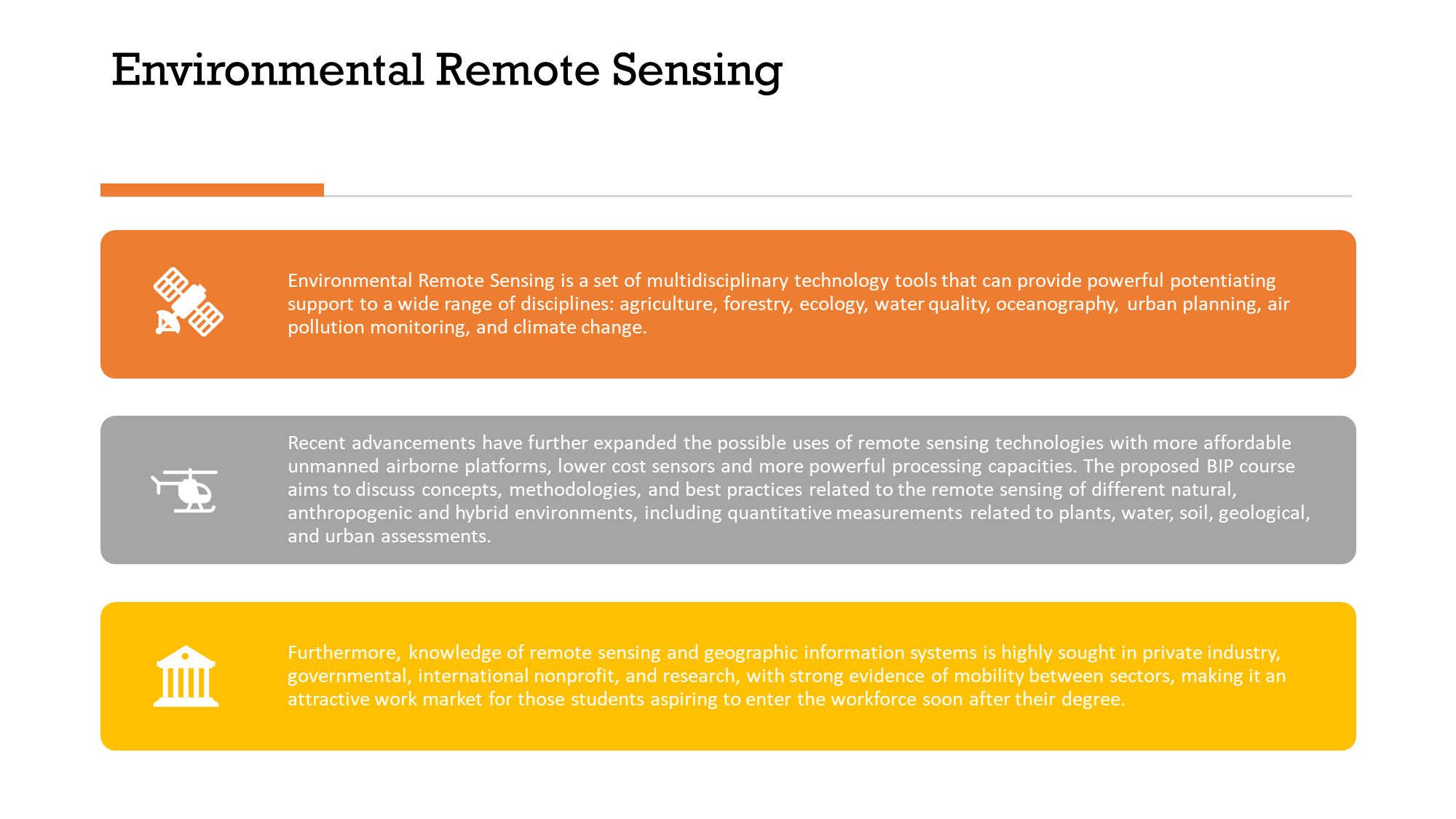
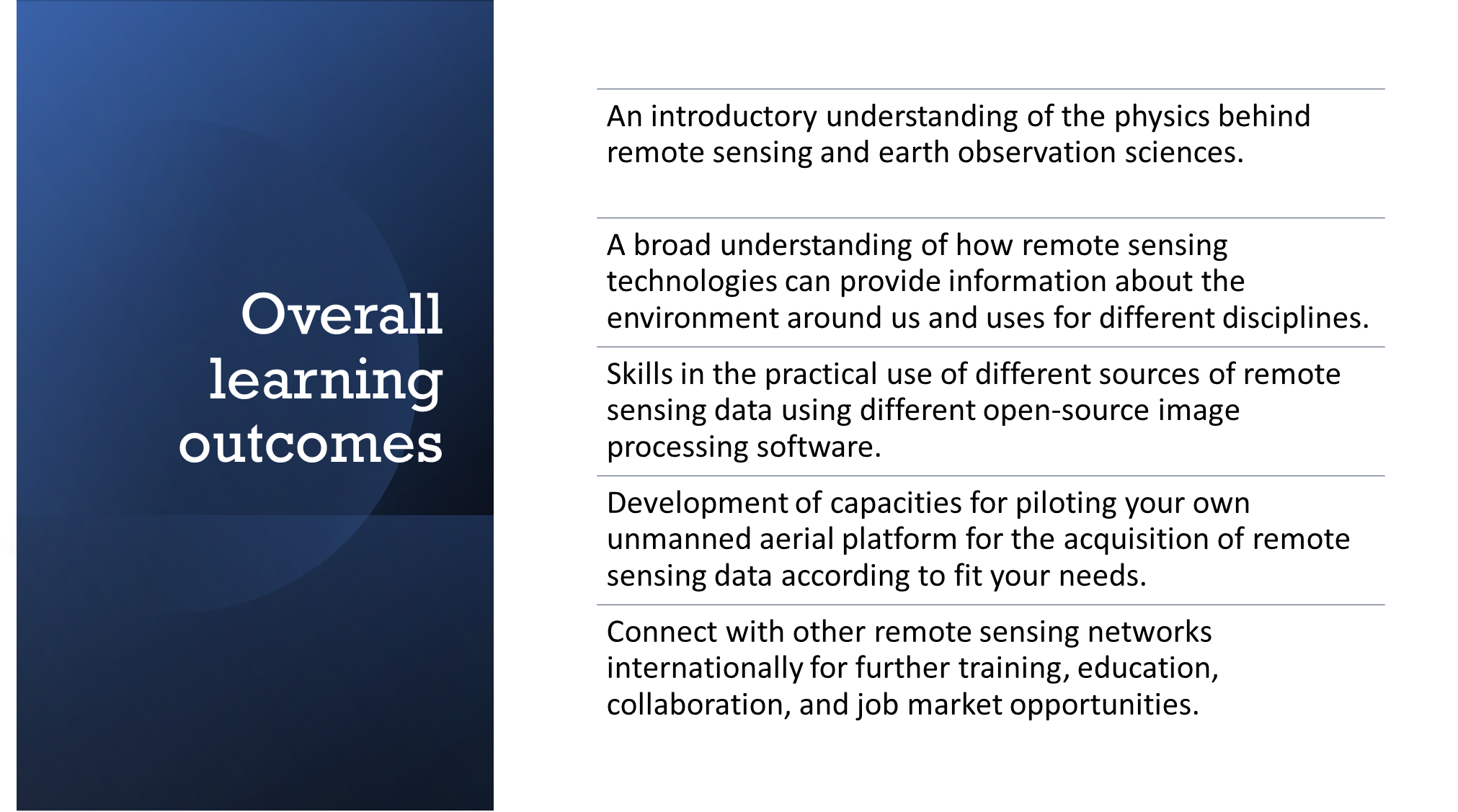
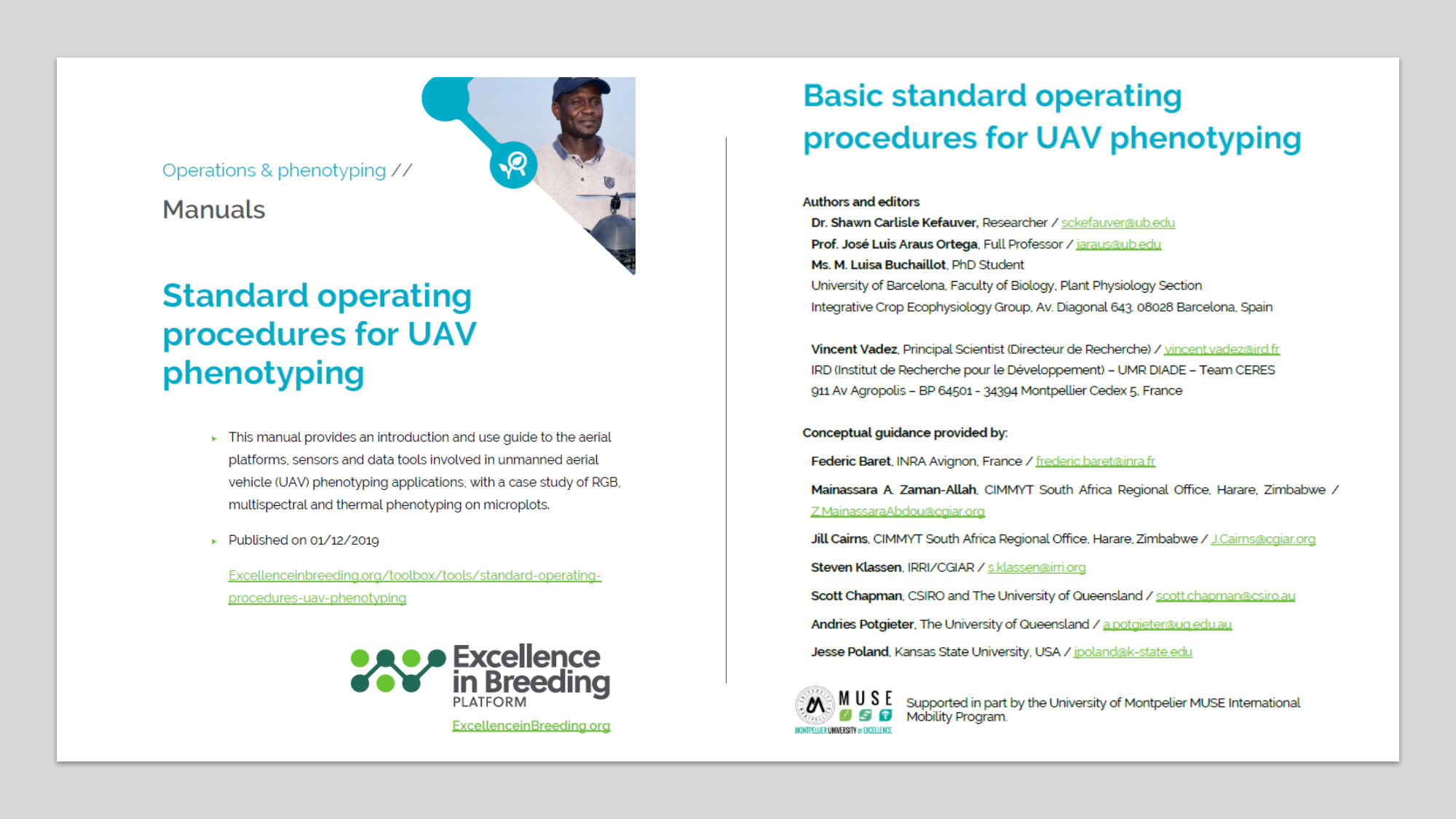
The modules are designed similarly in previous years but with more of a focus on Forest Remote Sensing, including Sessions of Introduction Theory, 4 Sessions of Applications Seminars from leading scientists across Europe followed by topical Sessions for a small mobility preparatory project assignment, and then our one week intensive part of the Erasmus Blended Intensive Program in Environmental/Forest Remote Sensing. During that week we will learn all of the processes from piloting and capturing images using RGB, Multispectral and Thermal sensors on Unmanned Aerial Vehicles (UAVs/drones) to processing the images and analyzing the results.
Though the course is now set for only 3 ECTS credits, with Environmental Remote Sensing (completed in 20245-2025 and 2025-2026) alternating with Forest Remote Sensing (starting for the first time in 2026-2027!).



Frequently asked questions (FAQ):
Some recently asked questions, answered to the best of my ability now (this is a new format of course for me and I am also not sure how much my university will try to affect my ideal plans for scheduling specific course components):
– In what form will the online lectures take place? Would it be prerecorded lectures or online meetings?
I want to have the online lectures all as live online meetings. The basic concept of the course plan is to have a series of core lectures that cover basic concepts (4×1.5 hour core lectures) followed by a series of topical seminars that take a deeper dive into specific topics, featuring guest lecturers with introductions and discussion components facilitated by myself (2×1.5 hour seminar sessions).
– How many lectures will there be in each block and will they take place in multiple weeks or all at once?
As for the timing of the lectures, my idea was 2x 1.5 hours per week, but placed every other week with reading assignments between lecture weeks. This gives us time for a short Introduction and reading/video assignment to start in January and then spaces the lectures over a 3 month period from February to April. I would then assign a small preparatory assignment for the month of May that would lead up to the intensive week long program in-person still to be decided but between late June and early July.
Masters or Undergraduate?
The course is intended as a senior level undergraduate course and as an introduction to remote sensing in general. Though designed for undergraduate and providing undergraduate level credits, I am open to master’s level students based on availability, though their eligibility may also in part depend on your university.
What topics will it cover?
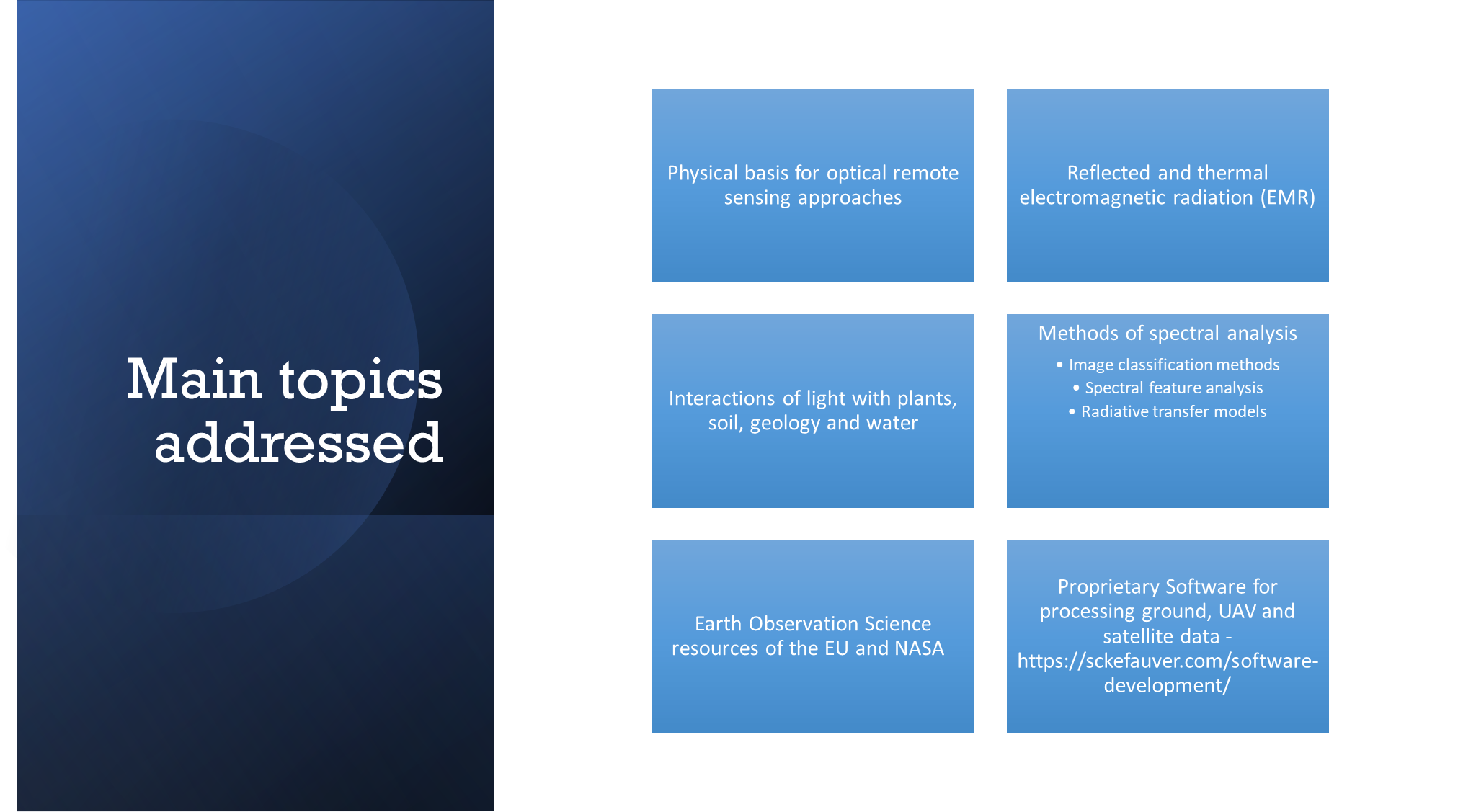
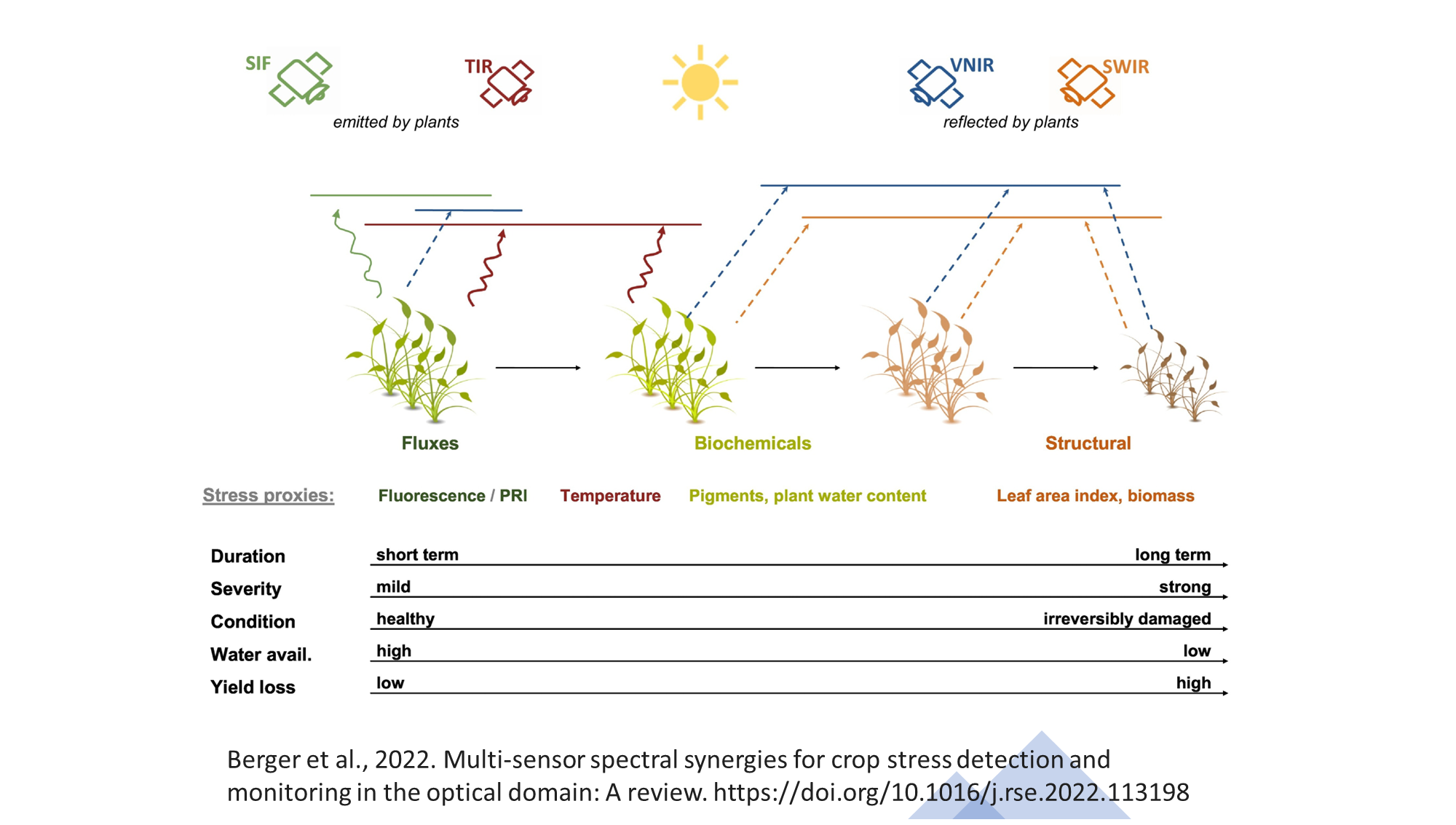
It will cover the basics of the most relevant physics concepts to applications in water, soil, land, etc. with special mentions in agriculture and forestry, my specialties. The one-week intensive component will be conducted at the IRTA facility Torre Marimon and will feature young pine plantations with UAVs.
Who is eligible?
As an ERASMUS program, the BIP requires international mobility to be eligible for ERASMUS funds for support. So, students and collaborators from Spain are not counted. I may accept up to 5 students from my own university but there is no support for them, nor from anyone else based in Spain.
How to join?
In order to be able to offer the course to your students, we should sign an ERASMUS agreement between our university ERASMUS programs. So, to join please look up your ERASMUS contact and share with me that contact information.
We don’t teach any similar material at our university; are we still eligible?
To clarify, this is an Introduction to Environmental Remote Sensing course that is offered by the University of Barcelona through the ERASMUS program. So, if you do some related research but this is not offered at your university, then it would be a great fit for a new offer to students. I do the teaching and the students get the credits towards their degree as an ERASMUS mobility. The difference between the ERASMUS BIP and other ERASMUS mobility programs is that this is partially virtual with only a 1 week stay during the summer, making it more compatible with other courses already made available.
If any of you would like to contribute with a lecture on your related research, please let me know, as I have included in the study plan a series of guest seminars for March and April of 2025. Professors may also apply for ERASMUS funds to join the one week in-person summer school as well!
Again, the new participation window is open and the only caveat is that you need to put your ERASMUS program coordinators in touch with my ERASMUS coordinators in order to form the collaborative agreement for this course.
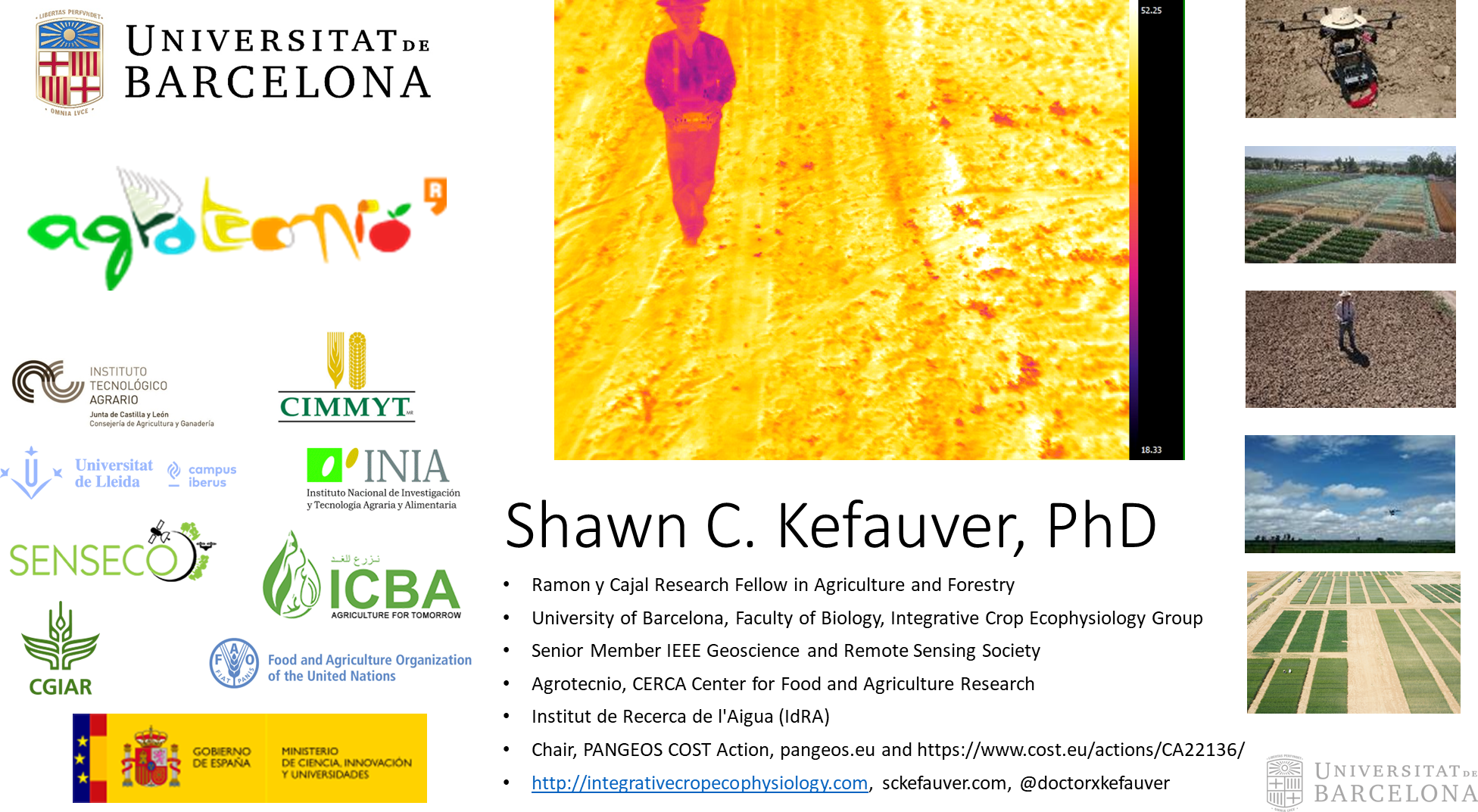
Shawn C. Kefauver, PhD
Ramon y Cajal Research Fellow in Agriculture and Forestry
Professor of Plant Physiology
Chair PANGEOS COST Action CA22136
University of Barcelona, Faculty of Biology
Dept. B.E.E.C.A., Plant Physiology Section,
Av. Diagonal, 643, Margalef Building, 5th Floor
08028 Barcelona, Spain
Tel. +34934021463
Personal Web Lab Web ResearchGate ORCID Scholar Scopus Twitter PANGEOS


